









If your check engine light is on, ZhoopZhoop Collision & Mechanical offers car diagnostics in Thornhill that go past the code. Our Ontario-licensed 310S technicians scan your vehicle, test the circuit or part the code points to, and give you a plain-language report before any repair is quoted. We’re at 47 Guardsman Rd, Unit 2, east of Bayview Ave between John St and Highway 407.
Call 905-886-2737 Get a free photo estimate
Why ZhoopZhoop for car diagnostics in Thornhill
- Ontario-licensed 310S automotive service technicians, plus 310T truck and coach technicians.
- Electrical, module, ADAS and key or immobilizer faults handled in-house, so we don’t hand the car off when the problem crosses systems.
- Written findings before any repair is quoted.
- 90-day warranty on all work, plus a lifetime paint warranty on insurance repairs.
Steady vs. flashing check engine light
Steady light
A steady check engine light means the engine computer has stored a fault. The car is usually safe to drive briefly, but don’t ignore it for weeks. A weak coil or vacuum leak left alone can damage pricier parts.
Flashing light
A flashing check engine light usually means an active misfire. Unburned fuel can overheat and ruin the catalytic converter quickly. Ease off, avoid highway speeds, and get the car in as soon as you can. If it’s shaking badly or losing power, have it towed instead.
Other warning lights
Red lights such as oil pressure, temperature or brake warnings mean stop safely and call. Amber lights such as ABS, traction control, airbag, TPMS or driver-assist warnings need attention soon but rarely require an immediate stop.
Common causes of a check engine light
- A loose or worn gas cap, or an evaporative-emissions leak.
- Failed ignition coils or spark plugs, which cause misfires.
- Oxygen or air-fuel ratio sensors that read lazily.
- Mass airflow sensors contaminated by dirt or oil.
- Vacuum leaks from cracked hoses or intake gaskets.
- Catalytic converter efficiency faults, often caused by another problem upstream.
- Variable valve timing or timing chain faults, often linked to low or old oil.
Some faults are covered by manufacturer recalls or software updates. A quick vehicle recall check is worth doing first.
One code can have several causes. A lean code might be a vacuum leak, a weak fuel pump or a dirty sensor, so we test rather than guess.
Our diagnostic process
- Listen and confirm. We ask when it happens (cold starts, highway, after rain) and road-test when safe.
- Full scan. We read stored, pending and history codes from every module, not only the engine, along with freeze-frame data showing the conditions when the fault set.
- Pinpoint testing. We check live data, smoke-test for vacuum or EVAP leaks, and measure voltage, ground and resistance at the suspect circuit to confirm the actual failed part.
- Report and quote. You get findings in plain language, what we recommend, what can wait and a written quote. No repair starts without your approval.
Electrical and module faults
Modern cars run on networks of control modules. A weak battery, a corroded ground or a chafed wire can set codes in several systems at once, which sometimes shows up as a dashboard full of lights. We trace those faults with wiring diagrams and test equipment, and our in-house key programming and immobilizer service covers no-start and security-system faults. Hybrids and EVs add high-voltage systems. Our EV and hybrid service handles those safely.
Warning lights after a collision
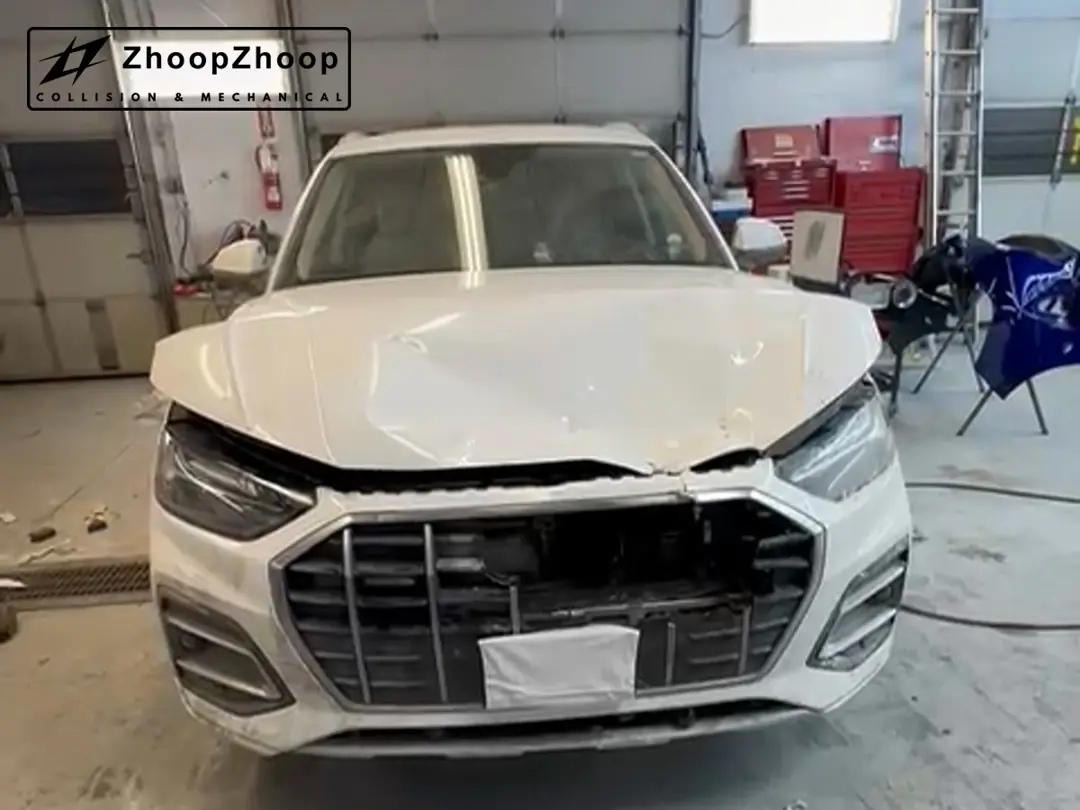
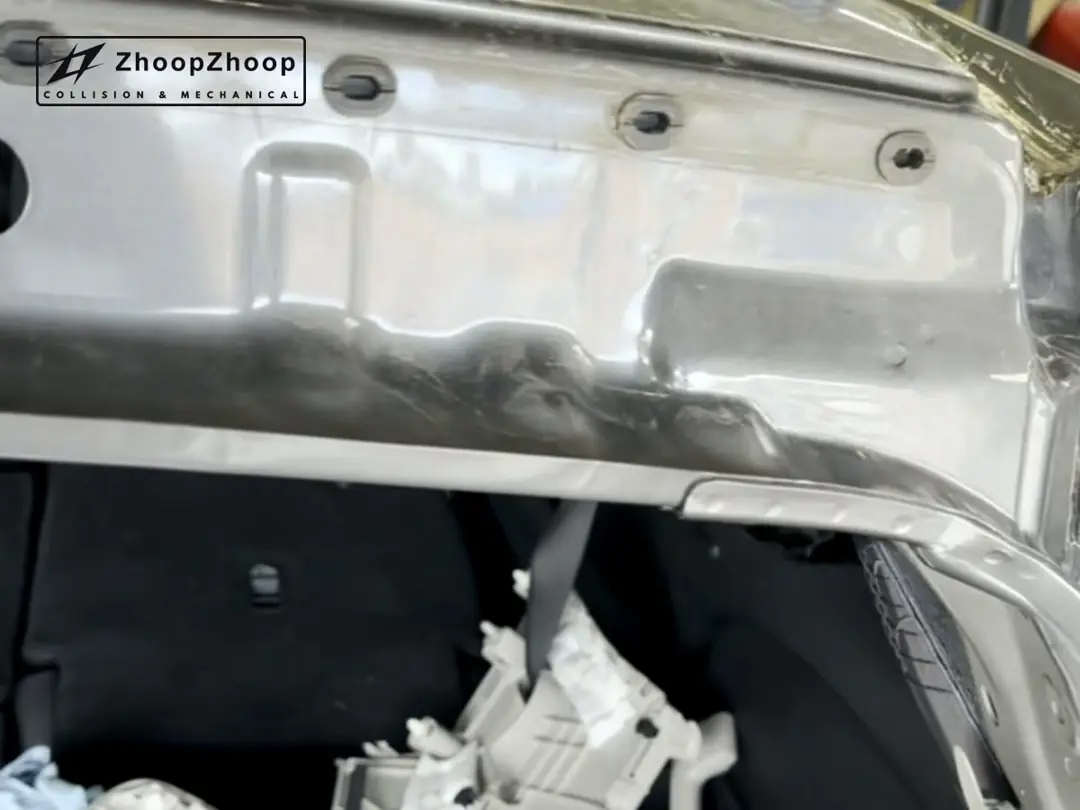
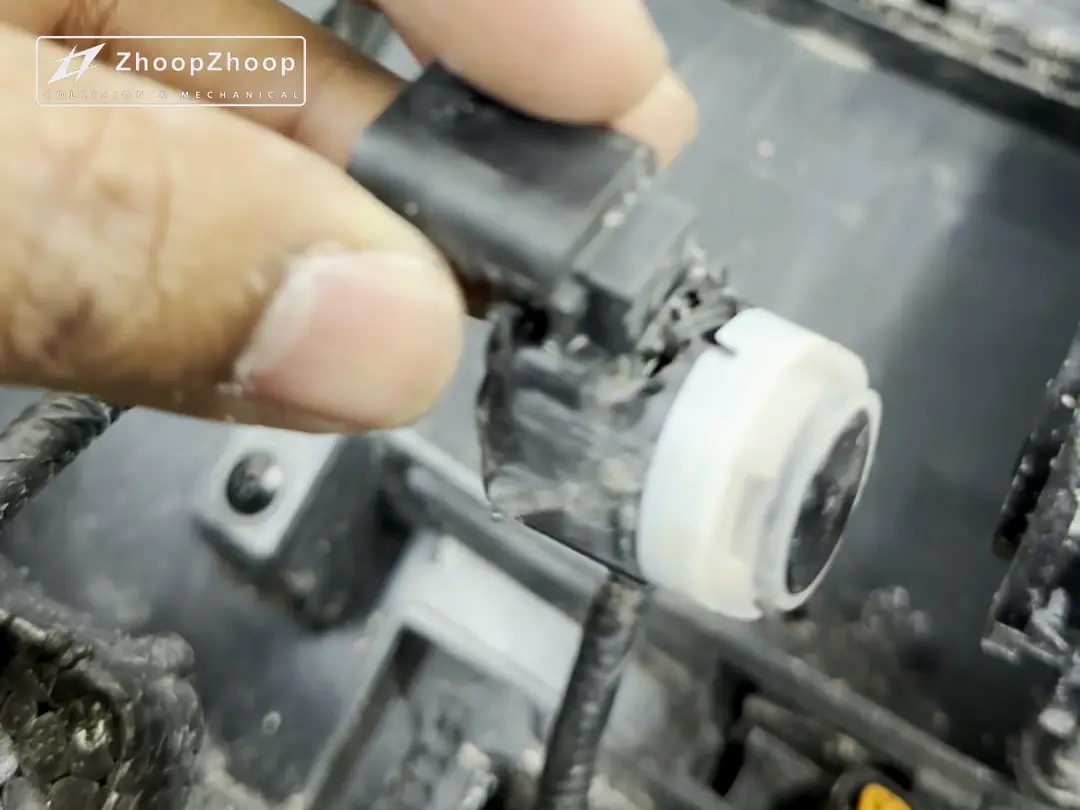
Even a minor crash can damage wiring behind a bumper, knock a radar or camera out of position, crack a sensor or set airbag codes. If a light came on after an accident, read why a warning light can appear after a collision, then have it checked before the insurance estimate is finalized so the cost is included. We handle the body work, ADAS calibration and electrical repair in one building. Related reading: what happens to airbag systems after an accident.
What affects the cost of diagnostics
Repeatable faults are quick to confirm; intermittent and wiring faults take longer. Call 905-886-2737 for current pricing.
Areas we serve
Drivers come to us from Thornlea, German Mills, Royal Orchard, Bayview Glen, Grandview, Doncrest, Thornhill Woods and Langstaff, as well as Richmond Hill, Markham and Vaughan. We’re easy to reach from Yonge St, Steeles Ave, Highway 404 and Highway 407. For everything else we fix, see our mechanical repair page.
Check engine light FAQs
Is it safe to drive with the check engine light on?
If the light is steady and the car drives normally, it’s usually safe for a short trip to a shop, but get it checked within days, not weeks. If the light is flashing, the engine is likely misfiring and can damage the catalytic converter. Slow down, avoid the highway and have it inspected right away, or tow it.
Can’t I just read the code with a cheap scanner?
A scanner tells you which system flagged a fault, not which part failed. One code can have several causes, such as a vacuum leak, a weak sensor or a wiring fault. Replacing parts based on the code alone often wastes money. Our technicians confirm the cause with live data and pinpoint tests before quoting a repair.
Do you offer a free code read?
Ask about our diagnostic options when you call 905-886-2737. What we recommend depends on the symptoms. A simple code check may be all you need, or the problem may need full pinpoint testing. Either way, you’ll know what’s involved before we start, and no repair is done without your approval.
How long does car diagnostics take?
A clear, repeatable fault can often be confirmed the same day. Intermittent problems, electrical faults across several modules, or issues that only appear in certain weather or driving conditions can take longer. We’ll tell you what we found and how much more testing is needed before going further, so you’re never surprised.
Why did my warning lights come on after an accident?
Impacts can damage wiring, move radar or camera sensors, crack parking sensors, or set airbag and ABS codes. Some lights appear right away; others show up days later. Have the vehicle scanned before the insurance estimate is finalized so electrical repairs and ADAS calibration are included in the claim.
Will a check engine light fail an Ontario safety inspection?
An Ontario safety inspection focuses on safety items such as brakes, steering, suspension, tires and lights, not emissions. Some warning lights, such as ABS or airbag faults, can be inspection issues. The check engine light itself is still worth fixing because of what it might be warning you about. Call 905-886-2737 to talk through your situation.
Get your check engine light diagnosed
Call before you start swapping parts. We’re open Monday to Friday, 9 am to 6 pm, at 47 Guardsman Rd, Unit 2, Thornhill.