







ZhoopZhoop Collision & Mechanical is an MTO-authorized inspection station offering the Ontario safety inspection in Thornhill. If you’re selling a used car, buying one, bringing a vehicle in from another province, or registering a rebuilt vehicle, you’ll need a Safety Standards Certificate (SSC). We inspect against the Ministry of Transportation’s standard, explain anything that doesn’t pass, and can do the repairs in the same shop if you want us to.
Call 905-886-2737 for current pricing and to book.
Call 905-886-2737 Get a free photo estimate
Why ZhoopZhoop for your safety inspection in Thornhill
- MTO-authorized. We’re licensed for safety, structural and commercial inspections.
- Licensed technicians. Ontario-licensed 310S, 310B and 310T technicians.
- Honest results. We show you what failed and why. You decide where repairs get done.
- Warranty. 90-day warranty on all work, plus a lifetime paint warranty on insurance repairs.
When you need a Safety Standards Certificate
According to the Ontario government, you need an SSC to put plates on a vehicle when you are:
- Transferring a used vehicle to a new owner (a transfer to your spouse is exempt)
- Registering a vehicle bought in, or brought from, another province, territory or country
- Registering a rebuilt vehicle
- Changing a vehicle’s status from unfit to fit
Rideshare drivers also need an SSC each year. See our Uber and Lyft rideshare inspection page.
How long is a safety certificate valid in Ontario?
An SSC is valid for 36 calendar days after the inspection. If it expires before the vehicle is registered, you need a new inspection. Book close to your sale or registration date.
A safety certificate confirms the vehicle met minimum standards on the day it was inspected. It is not a warranty on the vehicle’s overall condition.
DriveON digital certificates
Ontario inspections now run through the DriveON program. When a vehicle passes, you receive an emailed confirmation of the certificate. Buyers and owners can also look up a vehicle’s inspection history by VIN on the DriveON portal, which is useful before buying a used car.
What the Ontario safety inspection checks
Every station inspects to the Ministry of Transportation’s standard for passenger cars and light-duty vehicles. It’s organized into these sections:
| Section | Examples of what’s checked |
|---|---|
| Powertrain | Engine and transmission mounts, exhaust system, fuel system leaks, accelerator operation |
| Suspension | Ball joints, control arms, springs, shock absorbers, bushings |
| Brake systems | Pad and shoe thickness, rotors and drums, lines and hoses, parking brake |
| Steering | Tie rods, steering linkage, play in the steering, power steering |
| Instruments and auxiliary equipment | Horn, wipers and washers, mirrors, defroster, seat belts, speedometer |
| Lamps | Headlights and aim, brake lights, signals, hazard and licence plate lights |
| Electrical system | Battery mounting, wiring condition |
| Body | Corrosion or damage to structural areas, doors, hood latch, bumpers, windshield and glass |
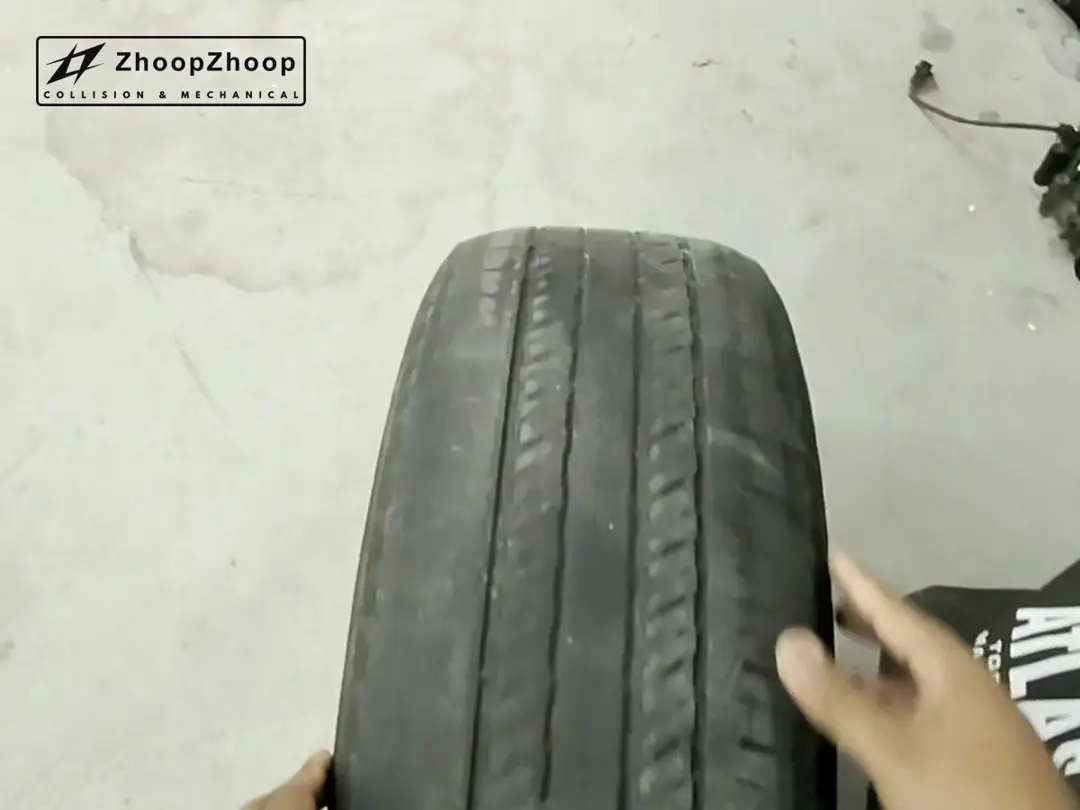
| Tires and wheels | Tread depth, damage, matching tire types, wheel condition and fasteners |
| Coupling devices | Trailer hitch and attachments, if equipped |
| Road test | Braking, steering and handling under real driving |
Common reasons cars fail
- Brakes: pads below the minimum thickness, seized calipers, rusted brake lines
- Tires: worn tread, sidewall damage or mismatched tires. Our tires and brakes service covers both.
- Suspension: worn ball joints and tie rod ends, often after pothole hits. See pothole damage inspection.
- Rust: rocker panels, subframes and brake lines eaten by road salt
- Lights: burned-out bulbs, cloudy or misaimed headlights. Read about headlight visibility.
- Glass and wipers: cracked windshields in the driver’s view, worn wiper blades
- Exhaust leaks and fluid leaks
What happens if your car fails
- We show you the items that didn’t meet the standard and explain each one.
- We give you a repair estimate. You can have the work done here or anywhere you choose.
- Once repairs are complete, the vehicle is re-inspected for a certificate.
Because we’re a full mechanical and collision shop, most repairs can be done here, including brakes, suspension, rust and body work. See mechanical repair in Thornhill.
Safety inspection vs. structural inspection
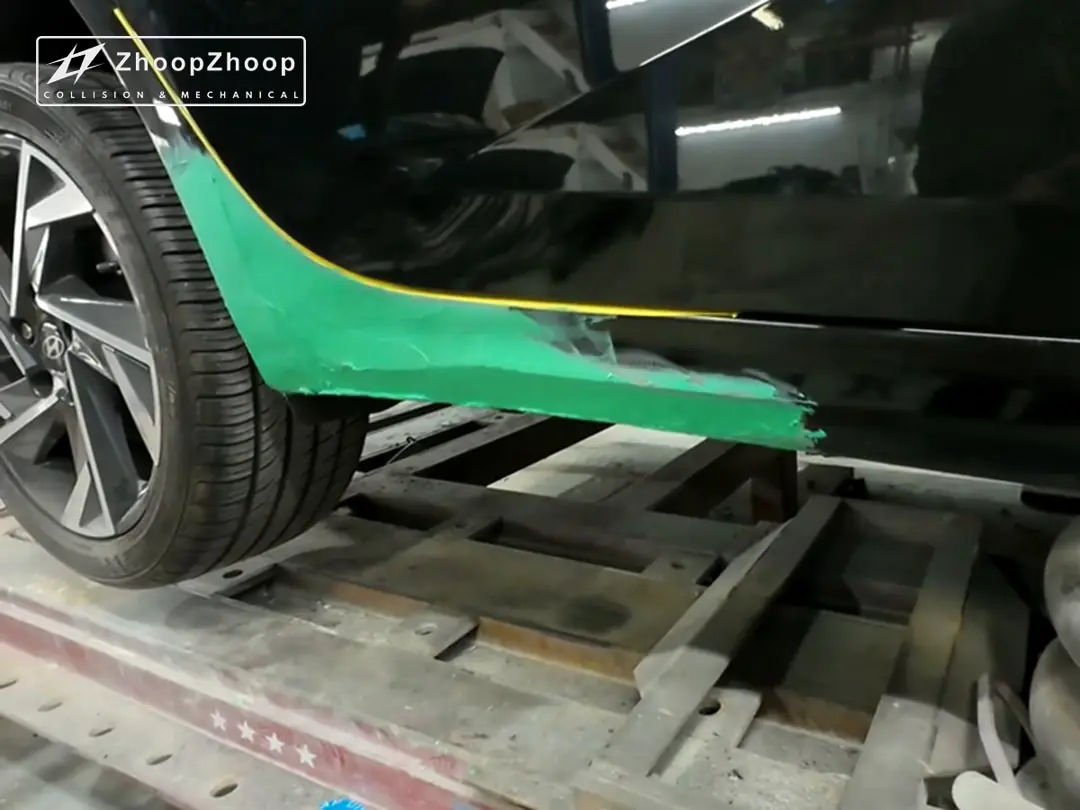
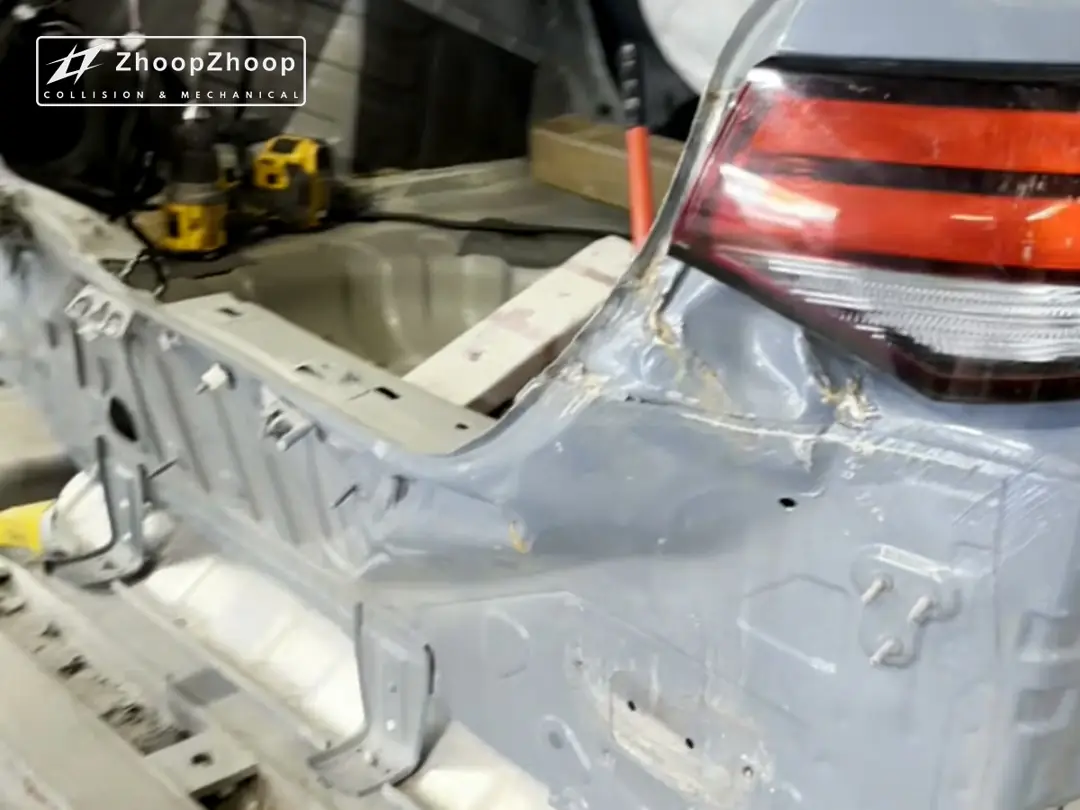
A safety inspection checks whether a road vehicle meets minimum standards for an SSC. A structural inspection is for vehicles branded salvage after serious damage. In general, a salvage vehicle must pass a structural inspection before it can be branded rebuilt, and then pass a safety inspection before it can be plated. We’re authorized for both. Learn more about our structural safety inspection.
Buying or selling a used car?
Buyers: check open recalls first with our vehicle recall check guide, and look up the car’s inspection history on DriveON. Sellers: if the car had collision repairs, read selling a car after collision repair.
Safety inspection pricing
Ontario doesn’t set inspection prices. What affects the total is mostly repairs, if any are needed. Call 905-886-2737 for current pricing.
Areas we serve
We’re at 47 Guardsman Rd, Unit 2, north of John St near Bayview Ave, minutes from Highway 407, Highway 404, Yonge St and Steeles Ave. Customers come from Thornlea, German Mills, Royal Orchard, Bayview Glen, Grandview, Doncrest, Thornhill Woods and Langstaff, plus Richmond Hill, Markham, Vaughan and North York. Read customer reviews.
Ontario safety inspection FAQ
Where can I get an Ontario safety inspection in Thornhill?
ZhoopZhoop Collision & Mechanical at 47 Guardsman Rd, Unit 2, Thornhill, is an MTO-authorized inspection station. We issue Safety Standards Certificates for passenger and light-duty vehicles, and we’re also authorized for structural and commercial inspections. We’re open Monday to Friday, 9 am to 6 pm. Call 905-886-2737 to book.
How long is an Ontario safety certificate valid?
An Ontario Safety Standards Certificate is valid for 36 calendar days after the inspection. If it expires before you register the vehicle, you need a new inspection and certificate. Book your inspection close to the date you plan to sell, buy or register the car so the certificate doesn’t run out.
When do I need a safety certificate in Ontario?
You need a Safety Standards Certificate to plate a used vehicle being transferred to a new owner, unless the new owner is your spouse. You also need one to register a vehicle from another province, territory or country, to register a rebuilt vehicle, or to change a vehicle’s status from unfit to fit.
What happens if my car fails the safety inspection?
You’ll get a list of the items that didn’t meet the standard. At ZhoopZhoop, we explain each item and give you a repair estimate. You can have the repairs done here or at another shop. Once they’re complete, the vehicle is re-inspected, and a certificate is issued when it passes.
How much does a safety inspection cost in Thornhill?
Ontario doesn’t set the price of a safety inspection, so it varies by station. Call ZhoopZhoop Collision & Mechanical at 905-886-2737 for current pricing. If the vehicle needs repairs to pass, those are quoted separately, and you choose who does the work.
Is the Ontario safety certificate digital now?
Yes. Ontario inspections run through the DriveON program. When a vehicle passes, you receive an emailed confirmation of the Safety Standards Certificate. You can also look up a vehicle’s inspection history by VIN on the DriveON portal, which helps when you’re buying a used car.
What’s the difference between a safety inspection and a structural inspection?
A safety inspection checks that a vehicle meets Ontario’s minimum standards for brakes, tires, steering, lights, body and more. A structural inspection is for vehicles branded salvage and checks that the structure was properly repaired. A salvage vehicle generally needs both before it can be plated. ZhoopZhoop is authorized for both.
Book your safety inspection
Monday to Friday, 9 am to 6 pm, at 47 Guardsman Rd, Unit 2, Thornhill. Call ahead to book.