






How Do I Choose the Right Auto Body Shop After an Accident?
· ZhoopZhoop Collision & Mechanical
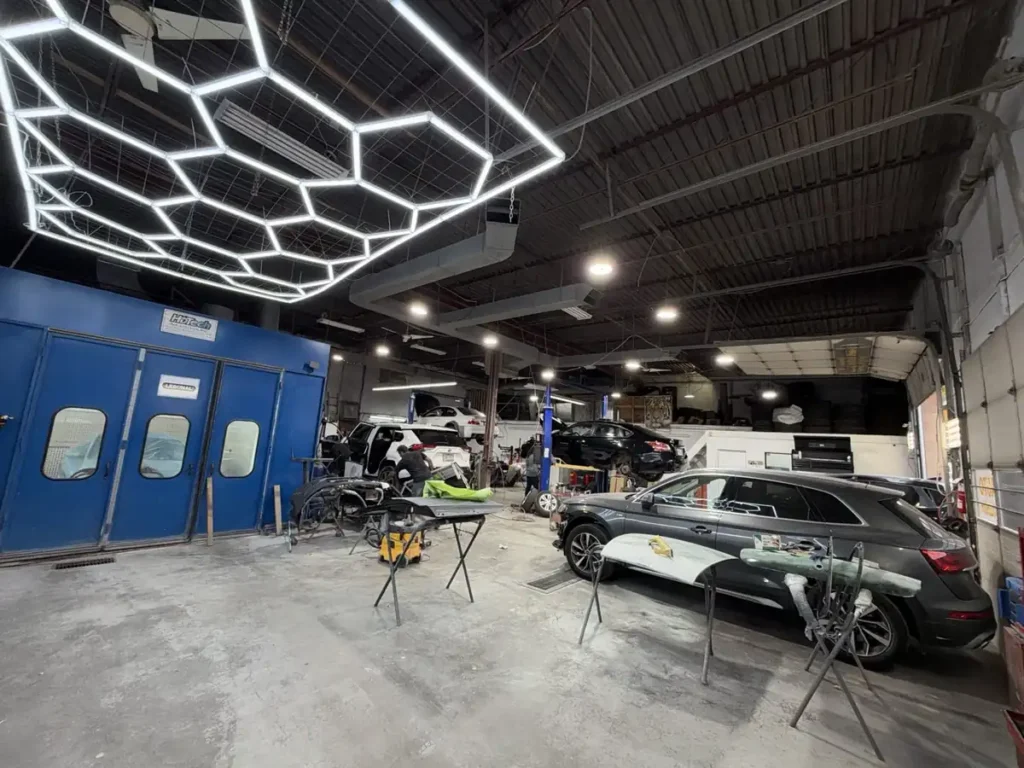
Short answer: choose the shop yourself. Don’t let a tow truck driver, a roadside “helper” or an insurer’s list decide for you. Pick a licensed, experienced shop you trust: one that shows you its work, tears the car down properly before quoting, puts promises in writing, keeps you updated, and stands behind the repair with a real warranty.
We’re ZhoopZhoop Collision & Mechanical in Thornhill, part of a group of 5 shops across the GTA. Between them we handle collision repair, bodywork, mechanical repair, ADAS calibration, auto glass, keys and immobilizers, all in-house. This guide covers what we tell every driver after an accident, whether or not they choose us.
Why We Opened a Body Shop in the First Place
We started out as an auto repair group. Our customers kept asking us the same thing: “Do you do bodywork? I’ve got an issue with my bumper.” We used to send them to other shops. Some of them came back unhappy and told us the other shop wasn’t good.
We didn’t want our customers getting a lower standard of work just because they needed something we didn’t offer. So we opened our own collision shop. It’s run by a manager with 35 years of experience running collision repair shops, and across the whole group we have 25+ people, including technicians who can handle anything on a vehicle: EVs, glass, ADAS and more.
Years in business are worth something, but they don’t make a shop the best in the area. A brand new shop doing quality work will beat a shop with 100 years of history that has stopped caring. Customers find the shops that keep their quality up. That’s what matters most when you’re choosing.
The First 48 Hours: Where Most Drivers Lose Control
The most expensive mistakes usually happen before you ever talk to a body shop. In the GTA, a driver gets pushed from two sides right after a crash:
- Tow trucks and roadside “assistance” that steer the car to a shop they have a deal with. Then storage fees pile up, and some shops won’t release the car until you pay inflated charges.
- Insurers that push you toward their preferred shop (more on that below).
We also hear about mechanic shops doing collision work they aren’t set up or authorized for, shops without a proper storage or business licence, and mobile technicians doing body repairs on the street. A cheap street repair can hide structural damage and leave you with no warranty and no one to call.
A Real Story: The Jetta That Got Stuck
One of our customers learned this the hard way. After an accident, a tow truck took his Volkswagen Jetta to a lot he had never heard of. He called his insurance company, and for about a week nobody could reach the tow company.
When the tow company finally called back, they told him the car was at their shop and had to be fixed there. By then there was a week of storage charges. His insurer didn’t want to pay them, and the shop wouldn’t release the car until someone did. The car turned out to be a write-off, and the inflated storage and handling charges held up his payout for weeks.
When he needed collision work on his next car, a 2017 Honda Civic, he came to us. We finished it three days ahead of the insurer’s timeline.
Choose Where Your Car Goes Before the Tow Truck Does
- Tell the tow operator where you want the car to go. If you haven’t decided yet, have it taken home or to a shop you already know. Don’t drive it damaged.
- Don’t sign anything at the roadside or at the first shop you land in, especially a repair or storage authorization.
- Take photos of the damage, the tow truck and any paperwork you’re handed.
- Report the accident and call your insurer to open the claim. Then call a shop you trust, or one that friends or family recommend. You can also send us photos for an estimate.
Having the car towed home sounds strange, but think about it. The worst case is paying out of pocket for one more tow to the right collision shop later. That’s a small cost compared to a week of not knowing where your car is, with no rental and nobody answering the phone.
Insurer “Preferred” Shops: You Still Get to Choose
You have the right to choose who repairs your car. Your insurance company may point you to a “preferred” shop, and many of those shops do excellent work. Just keep in mind that a recommendation from an insurer often comes with a business relationship behind it, so it shouldn’t be the only thing you go on. The problem comes when a customer is made to feel they have to go there.
Here’s a real comparison from this year:
- Pushed to a preferred shop: a customer who buys tires from us got into an accident, and his insurer pressed him to use one of its preferred shops. More than 45 days later, his car still wasn’t fixed.
- Chose us: that 2017 Honda Civic came in with an insurance claim for rear bumper damage. It was ready 3 days before the insurer’s timeline. The insurer called the customer, and the customer called us to say, “Wow, you guys are fast.”
The Civic isn’t a one-off. In most of our insurance jobs, the car is ready well before the timeline the insurer gives us. Speed comes from how the shop runs, not from cutting corners.
Everyone in the process needs to make money: the shop, the insurer, the tow truck and the rental company. That’s normal. Your job is to figure out who is looking after your interests while they do it.
Tip: if your insurer suggests a shop, ask how long repairs there are taking right now, and get a second opinion from a shop you picked yourself.
Build a Relationship With a Shop Before You Need One
The best protection you can have is your own go-to shop. You should have one for mechanical repairs and one for collision work. That way, when something happens, you already know where your car is going.
The Walk-In Test
You don’t need to wait for an accident to find a good body shop. Walk into one on a normal day and tell them why you’re there: you want a shop you can rely on in the future, and you’d like to see the kind of work they do.
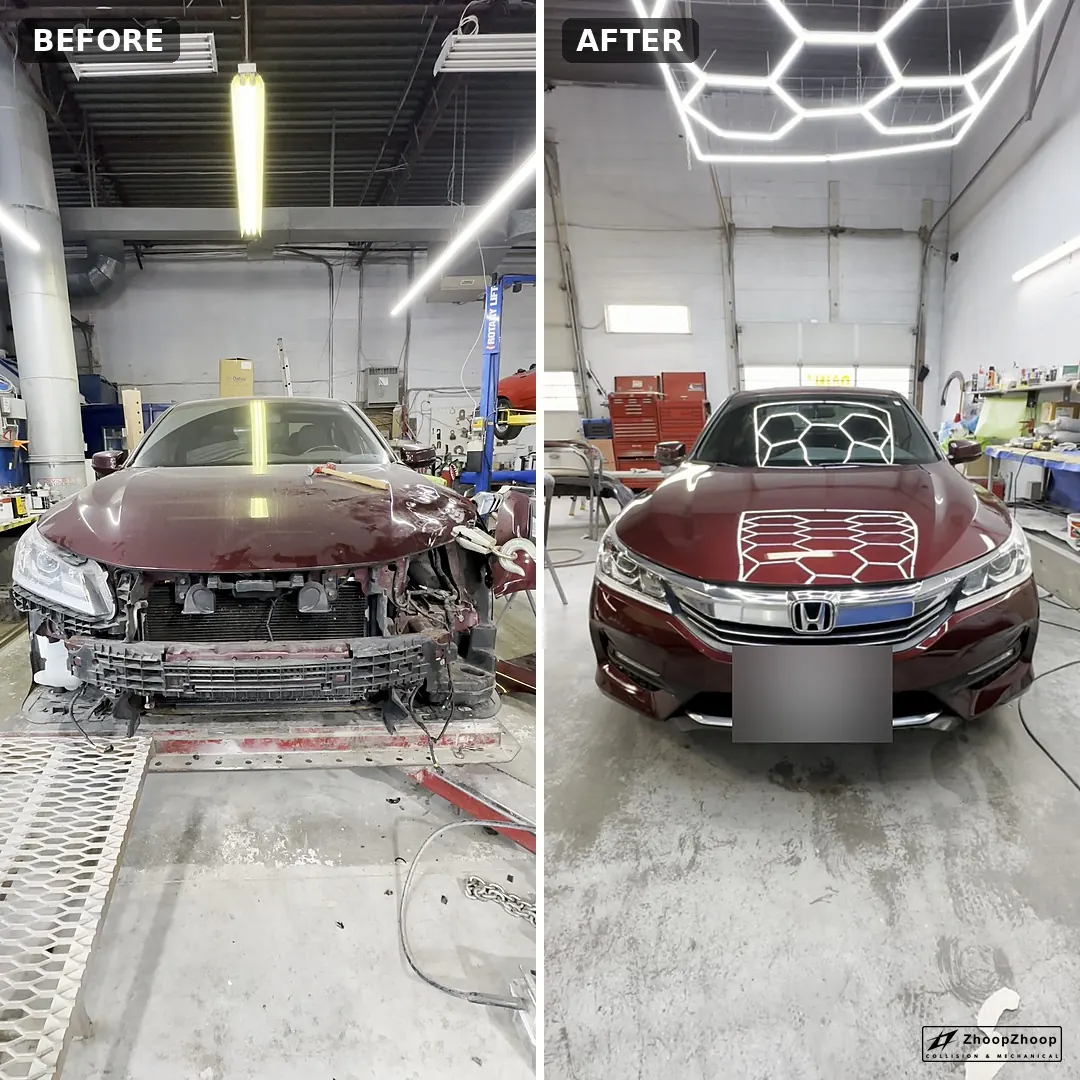
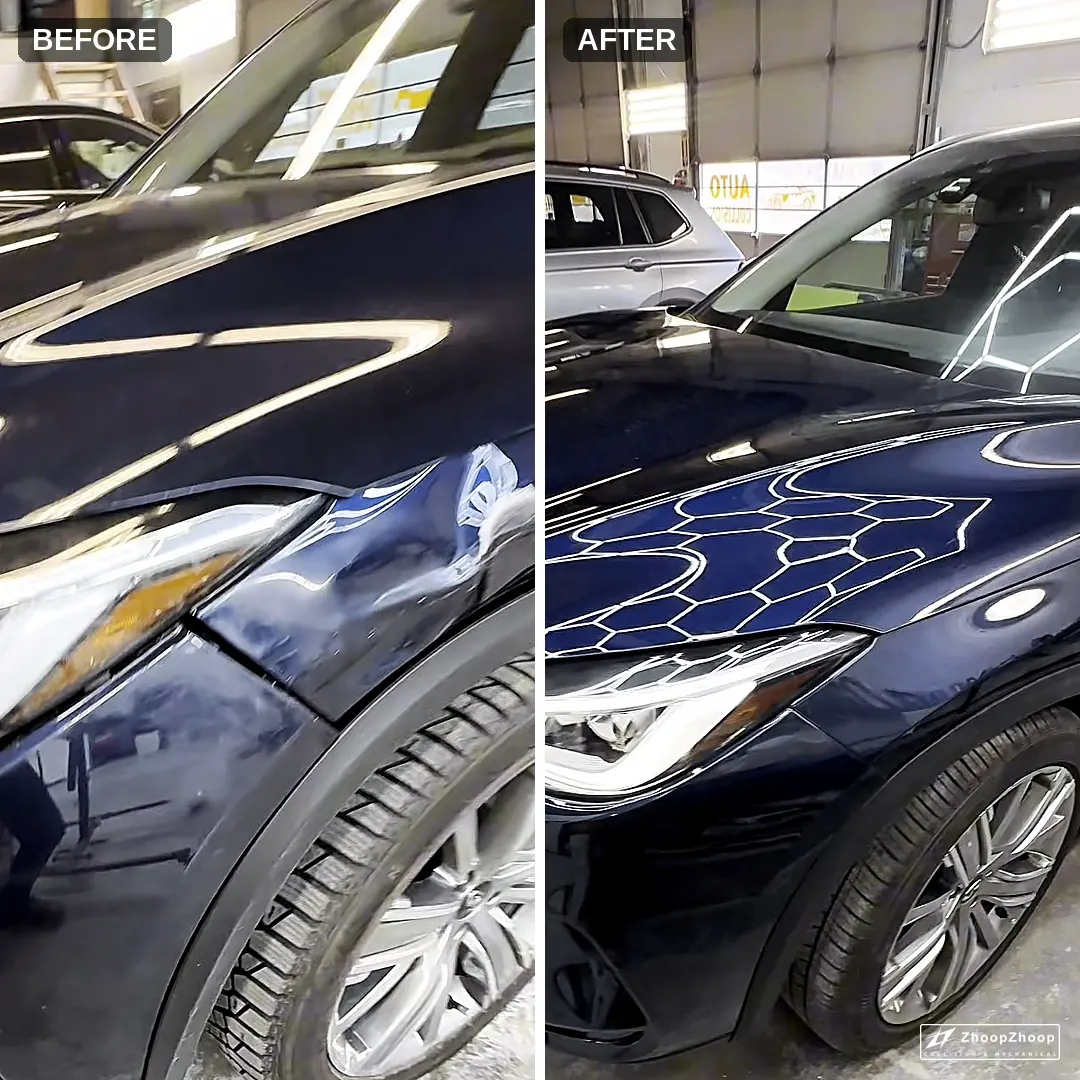
- Ask to see before and after photos of recent repairs.
- Look at the cars currently being worked on and how the shop is kept.
- Pay attention to whether someone takes the time to talk to you.
If a shop won’t spend a few minutes showing you their work when you’re a potential customer, you have your answer. Don’t go there. Imagine how they’ll treat you when your car is already on their floor. If a shop does take the time to show you around when you’re not paying them anything, that deserves some appreciation.
Use Friends, Family, Google and AI to Check What You’re Told
It used to be that the best advice was to call someone who knows cars and ask if the shop’s recommendations made sense. That’s still good advice. Now you also have Google and AI tools. If a shop says something needs to be done, look it up and see if it makes sense.
We encourage this with our own customers. We use digital inspections and AI tools throughout our process, and the real repairs are done by real technicians. We want customers to verify what we tell them. A good shop has nothing to hide.
What a Good Shop Does Behind the Scenes
A good repair starts with a thorough inspection and clear communication. Here’s our collision repair process:
- Get the adjuster in fast. As soon as the car arrives, we contact the insurer and adjuster, and we keep following up until they come to inspect it.
- Tear down before estimating. With the insurer’s approval, we take apart the damaged area before writing the estimate. Hidden damage behind a bumper or panel is found on day one, not halfway through the job.
- Estimate, then approval. The estimate goes to the insurer, and work starts once it’s approved.
- Few surprises. Thanks to the teardown, supplements (extra costs found mid-repair) are rare, and when one comes up we tell the insurer and customer right away.
- Repair in-house. Frame straightening, ADAS camera and sensor calibration, electrical and mechanical work are all done under our own roof. We don’t wait for an outside specialist to show up.
Equipment and materials to ask any shop about:
- Paint with a lifetime warranty. We use it on every job, even small paint, dent and scratch repairs.
- A frame machine for structural damage, plus structural safety inspections.
- In-house ADAS calibration. Modern bumpers and windshields hide cameras and radar that must be recalibrated after a repair. We do this in-house, and several franchise shops send us their calibrations.
- Access to parts. Our network of associated repair shops gets us parts faster.
Question to ask: “Will you tear the car down before you give me a final estimate?” A shop that quotes a serious hit from a photo or a quick walk-around is guessing.
Why Body Shop Quotes Are So Far Apart
The Cheap Quote Trap
When someone calls around for quotes, many shops give a low number just to get the car through the door. Once the car is there, the extras start: you need this, you need that. You budgeted $1,000, and once the job starts it’s $3,000.
At that point you’re stuck. Either you approve the higher price or you pay for the time the shop has already spent and move your car somewhere else. Chasing the cheapest quote is how a lot of people end up in that situation.
Why a Paid Quote Is Often the Better Quote
We don’t believe in a lot of “free.” Nothing in this world is free, and you get what you pay for. If you got a detailed collision estimate for nothing, there’s a good chance it isn’t complete. A shop that charges an hour of labour for a proper estimate has a reason to get it right, whether or not you do the work with them.
Here’s how we handle it. If the damage is straightforward and only on the outside, we’ll look at it at no charge. If we need to remove panels and spend real time finding hidden damage, we charge for that inspection. If the customer goes ahead with the repair at our shop, we credit that amount back. The customer ends up paying nothing extra for the estimate, and both sides are protected from surprises.
Once you have a quote, check it: ask someone knowledgeable or look it up. Modern cars need much more than new panels. Alignment, ADAS calibration and hidden structural damage can all be part of a proper collision repair.
A Case Study: When a “Fixed” Car Isn’t Fixed
A customer found us on Google after his car had been repaired at another collision shop. The damage had been serious. After the repair, the car never felt right. He took it back four or five times, and every time he was told everything was fine.
He came to us for a second opinion. We got the full story from him, put the car on the hoist and started measuring. Diagonal to diagonal, the car wasn’t straight. The rear wheels were sitting slightly sideways. You couldn’t see it with the naked eye, but on a test drive we could hear the tires scraping.
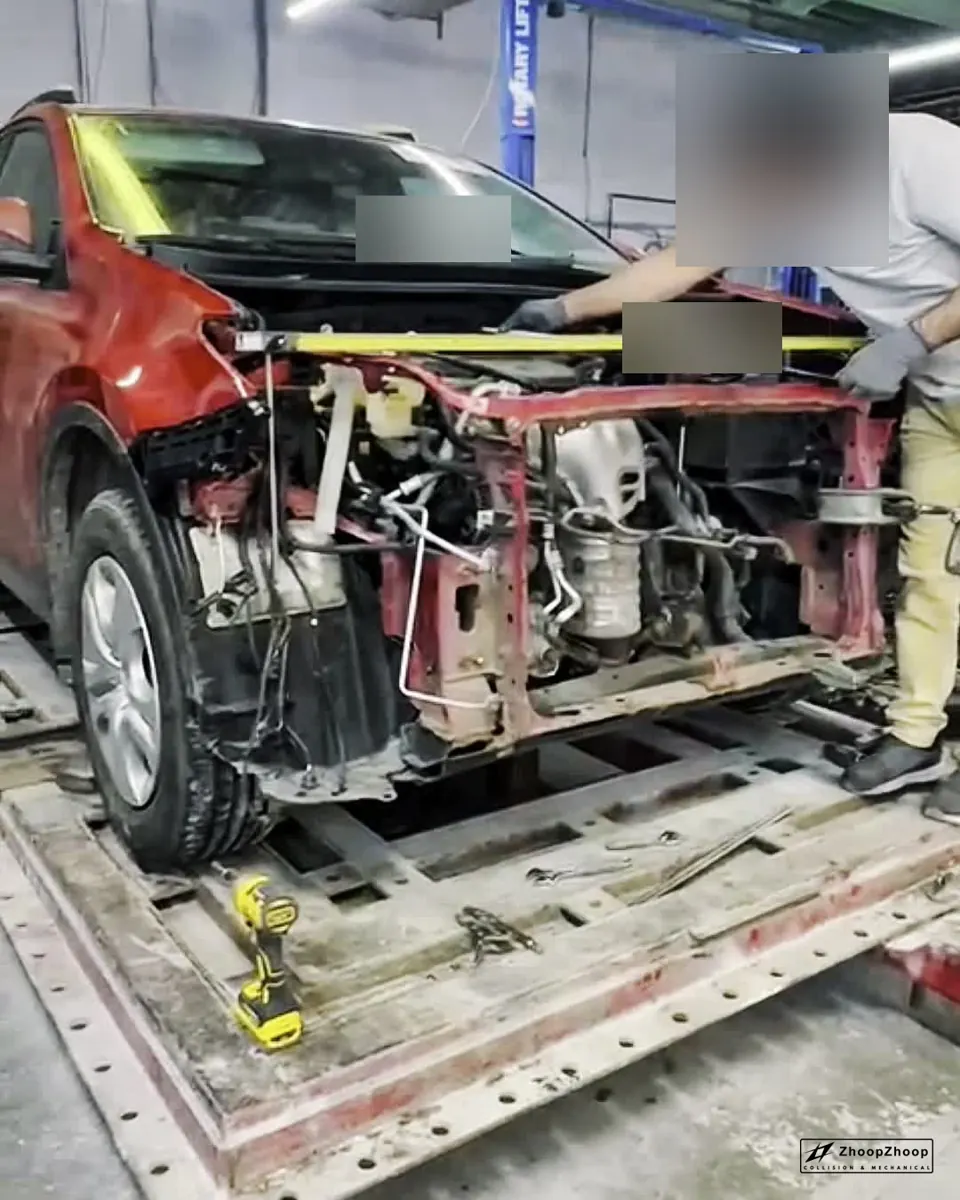
In our opinion, given how bad the damage was, that car probably should have been written off. We spent about two hours inspecting it and charged him $150 for our time. We documented what we found and advised him to go back to his insurance company. We don’t know what happened after that, but nobody wants to be in his position, and choosing the right shop from the start is how you avoid it.
Why One Shop for Body and Mechanical Saves You Time and Money
An accident rarely affects just the bodywork. A shop that also handles mechanical, electrical, tires and ADAS can finish everything in one visit instead of leaving your car waiting on someone else’s schedule. An independent shop also has more freedom to pass savings on to you. Three recent examples:
- 2022 Toyota Camry, $6,700 insurance claim: the deductible was $1,000. We cut the customer’s out-of-pocket cost to $500, from our own margin.
- 2024 Honda CR-V Hybrid, $4,500 insurance claim: collision repair, plus a full new set of tires at 50% off and an oil change, all in the same visit.
- 2021 Porsche Cayenne, collision repair: the owner now stores his tires with us and brings the car in for everything it needs.
Every insurance job above came with our lifetime paint warranty and an in-house rental. Rental cars are available right at our body shop, so you can drop off your car and drive away in a rental from the same place. When you come to us after an accident, we take over the whole process: talking to your insurance company and adjuster, arranging the rental, and helping you get where you need to go.
The Cayenne owner is the outcome we aim for: one accident, then a customer for everything else.
What to Expect While Your Car Is Being Repaired
Give the Shop Reasonable Time
You’re paying to have the job done right, not done fast. A repair shop isn’t a coffee shop. Find out roughly how long the job should take by asking someone who knows or looking it up, and give the shop that time. If it’s supposed to take three hours, check in around the fourth.
Communication Is the Clearest Sign of a Good Shop
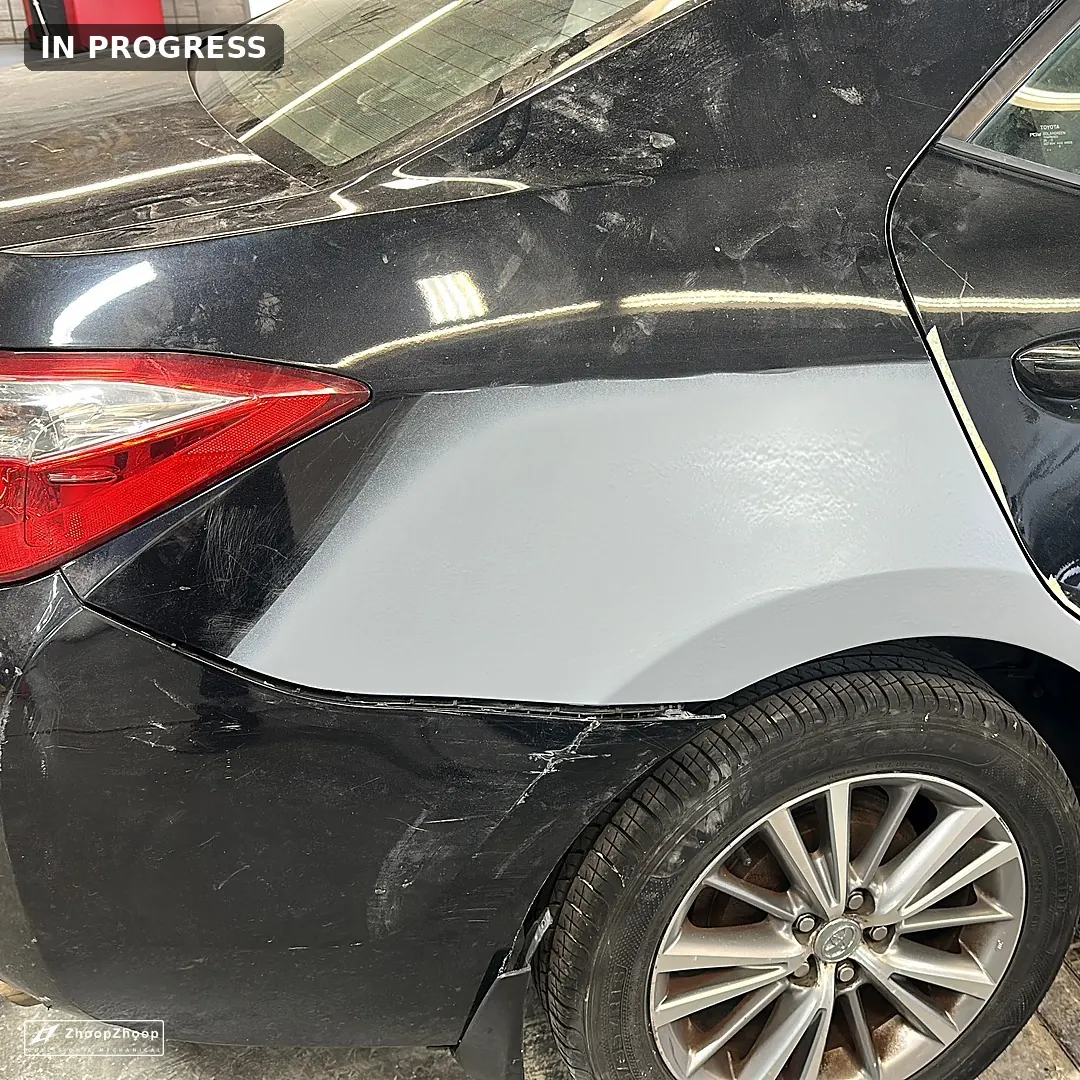
A good shop gives you a realistic timeline and keeps you updated without you having to chase them. If you’re the one always calling for updates, that tells you something.
OEM vs Aftermarket Parts: My Honest Opinion
Many people think OEM parts are always better. I don’t agree. A Honda bumper isn’t made by Honda. Honda sources its parts from dozens of suppliers: spark plugs from one company, bumpers from another, tie rods and pistons from others. Then it assembles the car. When a part has the Honda stamp on it, you pay a premium for the name.
Quality aftermarket parts are often just as good and sometimes better. Aftermarket brake pads, for example, are frequently better than the originals. Here’s the order we follow for good-quality parts:
- New aftermarket parts first, when quality options are available.
- OEM parts when the part is only made by the manufacturer, or no good aftermarket option exists.
- Used parts only when new parts can’t be found or are unreasonably expensive.
One thing to check: if your car is leased, or your insurance policy includes an OEM parts endorsement, you may need OEM parts. Ask your shop and your insurer before work begins.
Ask About the Warranty
A proper shop stands behind its work with a written warranty. All of our work comes with a 90-day warranty, and our insurance repairs carry a lifetime paint warranty. If you drive away and something doesn’t feel right, go back and show them. With a good shop and a solid warranty, you’re protected.
Red Flags and a Checklist Before You Hand Over Your Keys
My biggest red flag is over-promising. If a shop promises the moon, get every promise in writing. If they won’t write it down, they won’t deliver it.
Other warning signs:
- They want a signed authorization before they’ve even looked at the damage with you.
- They keep the car parked for extra days, especially on a write-off, so they can bill storage.
- They can’t show a business licence or a proper place to store vehicles.
- They’re a mechanic shop or a mobile tech doing collision work “on the side.”
- There’s no written warranty, or the warranty is vague.
- They won’t show you examples of their work.
At our shop there’s no signing on arrival: we explain the damage and you decide. If a car is a write-off, we release it. We’re in business to make money, but the right way.
Your checklist:
- Did I choose this shop myself, not a tow driver or a call script?
- Did a friend or family member recommend them, or do they have a strong reputation?
- Did they show me real before and after work?
- Will they tear the car down before giving a final estimate? (10 questions to ask)
- Is the warranty in writing, and does it cover paint for life?
- Is ADAS calibration done in-house or sent out?
- Is a rental arranged, and where do I pick it up?
- Are the timeline and every promise in writing?
Whatever shop you choose, every customer deserves three things: quality work, good-quality parts, and a reasonable timeline.
Trust Is Earned One Job at a Time
For years, our business grew almost entirely through word of mouth. Customers referred their friends and family without us asking.
One of our business customers sells mobility vehicles. They first came to us because they needed a hard-to-find tire that nobody else could get. We sourced it. After that they started sending the occasional mechanical job, then more as they saw our quality and speed. Today we see at least one or two of their vehicles every day.
When they heard from someone else that we had opened a body shop, they called and asked why we hadn’t told them. Fair point. They had been using three or four different shops for collision work. Now they use us for all of it: collision, electrical and mechanical.
We’re not perfect. We have ups and downs like any business, and sometimes we fall short. But we aim for five stars every time, and we treat every customer like the first customer we ever had.
What I’d Tell a Friend Calling From the Side of the Road
If a friend called me right after an accident, here’s what I’d tell them:
- Make sure everyone is safe, then call your insurance company.
- Don’t let a random tow truck decide where your car goes.
- If you’re near one of our shops, we’ll send our partner tow truck and assess the damage ourselves.
- If you’re somewhere unfamiliar, choose the best-reviewed shop nearby using Google or AI, or have the car towed home and decide later.
- Send me photos and videos, and tell me what the shop says. I’ll help you make sense of it.
That last point doesn’t only apply to friends. You don’t need to be our customer to get our opinion. Drop by, call us or send photos and we’ll tell you what we think. If we’re in the middle of something, we’ll set up a time to talk. There’s no charge.
Frequently Asked Questions
Do I have to use my insurance company’s preferred body shop?
No. You can choose your own shop. Insurers may recommend one, but the decision is yours.
What should I do if a tow truck took my car to a shop I didn’t choose?
Don’t sign anything there. Call your insurer, tell them which shop you want, and ask for the car to be moved. Keep copies of every invoice and photo.
How long should a collision repair take?
It depends on the damage and on parts, but your shop should give you a timeline and keep you updated. Most of our insurance repairs are ready before the timeline the insurer gives us.
Why does a teardown matter?
Damage hides behind bumpers and panels. A teardown first means fewer surprise costs and delays.
Do I need ADAS calibration after a bumper or windshield repair?
Often, yes. Cameras and sensors behind the bumper and windshield control safety features such as collision warnings and lane-keeping. Ask whether the shop calibrates them in-house.
Can you fix the mechanical damage too?
Yes. Our group covers collision, paint, mechanical, electrical, EV, ADAS, glass, keys and immobilizers, tires and safety inspections, so everything can be handled in one place.
Keep reading:
- How to Choose a Collision Repair Shop in Toronto
- How to Know If a Body Shop Did a Good Job
- Who Pays for Collision Repair in Ontario?
- What Happens If the Other Driver Is at Fault?
About ZhoopZhoop Collision & Mechanical
We’re an independent group of 5 shops across the GTA, with 25+ people. I’m a licensed technician, and our group has five licensed technicians plus specialists in bodywork, electrical, ADAS and windshield glass, with at least two experts in every category. We have the licences, certifications and know-how in the group, so we never wait for an outside specialist.
We work with all insurance companies. Every insurance repair comes with a lifetime paint warranty and an in-house rental. Existing customers get free tire storage when they book work in the month of our email offer.
My advice stays the same whether or not you call us: make your own decision. Don’t take your car somewhere just because someone told you to. If you don’t know or trust a shop, don’t go there. Ask friends and family, check reputations (and see our work), and go where you’re comfortable.
If that’s us, we’re ready to help. Been in an accident in Thornhill, Toronto or anywhere in the GTA? Call 905-886-2737 or visit our shop at 47 Guardsman Road, Unit 2, Thornhill (contact us). We’ll look at the damage with you, explain your options, and deal with your insurer for you.