






What Should I Do (and Check) Immediately After a Car Accident?
· ZhoopZhoop Collision & Mechanical
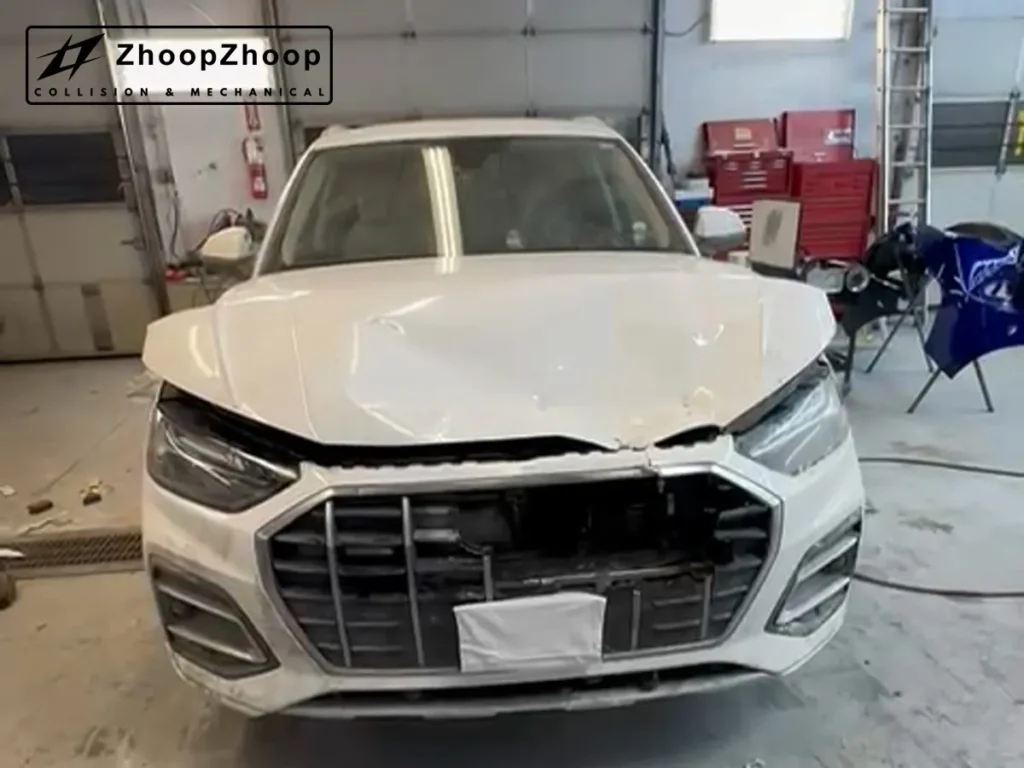
The first few minutes after a car accident are loud, stressful and confusing. That’s when people make the mistakes that cost them the most, and I see the results every week at our shop in Thornhill. The good news is that most of those mistakes are easy to avoid if you know what to do ahead of time.
This guide is what I’d tell a friend or family member who called me from the side of the road. It isn’t theory. It’s what we’ve learned from helping drivers across the GTA after they’ve been hit, towed and handed paperwork they didn’t understand.
Here’s the short version: you are in control of your vehicle. No one at the scene gets to tell you what to do with it.
Step 1: Make Sure Everyone Is Safe
Before anything else, check on yourself, your passengers and the people in the other vehicle. If anyone is hurt, call 911 right away. Turn on your hazard lights. If the cars are blocking traffic and it’s safe to do so, move them to the side of the road.
Step 2: Check Whether Your Car Is Safe to Drive
If you know cars, you’ll have a good idea of whether yours can be driven. If you don’t, keep it simple and check these things:
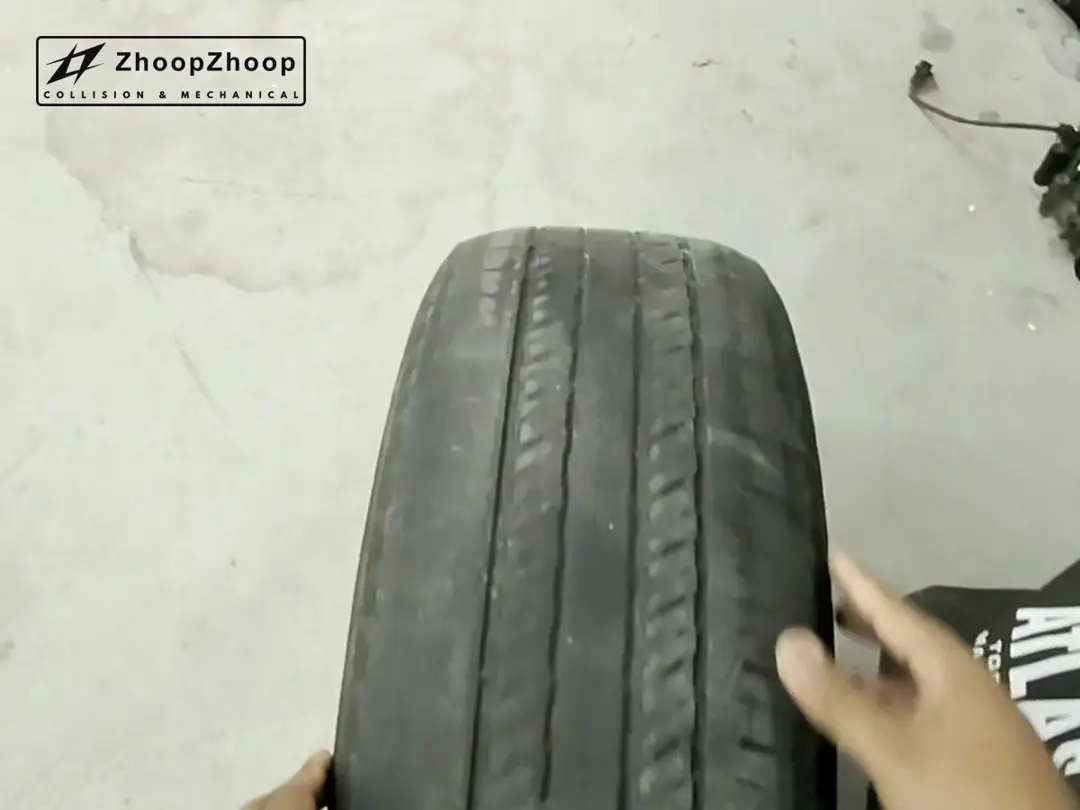
- Your tires. Look for flat, cut or bulging tires, or a wheel that’s sitting at an odd angle. A wheel pushed in or out of place often means suspension damage.
- Leaks under the front of the car. Look under the front end for fluid on the ground. Coolant, oil or other fluids leaking after an impact mean something has been damaged.
- Anything that doesn’t look right to you. Trust your gut. Warning lights, strange noises or steering that feels off are all reasons to stop.
If any of these aren’t what you think they should be, don’t drive the car. Move it to the side of the road if you can, or have it moved, and then make a call (more on who to call below).
Why a “Small” Hit Can Still Be a Big Problem
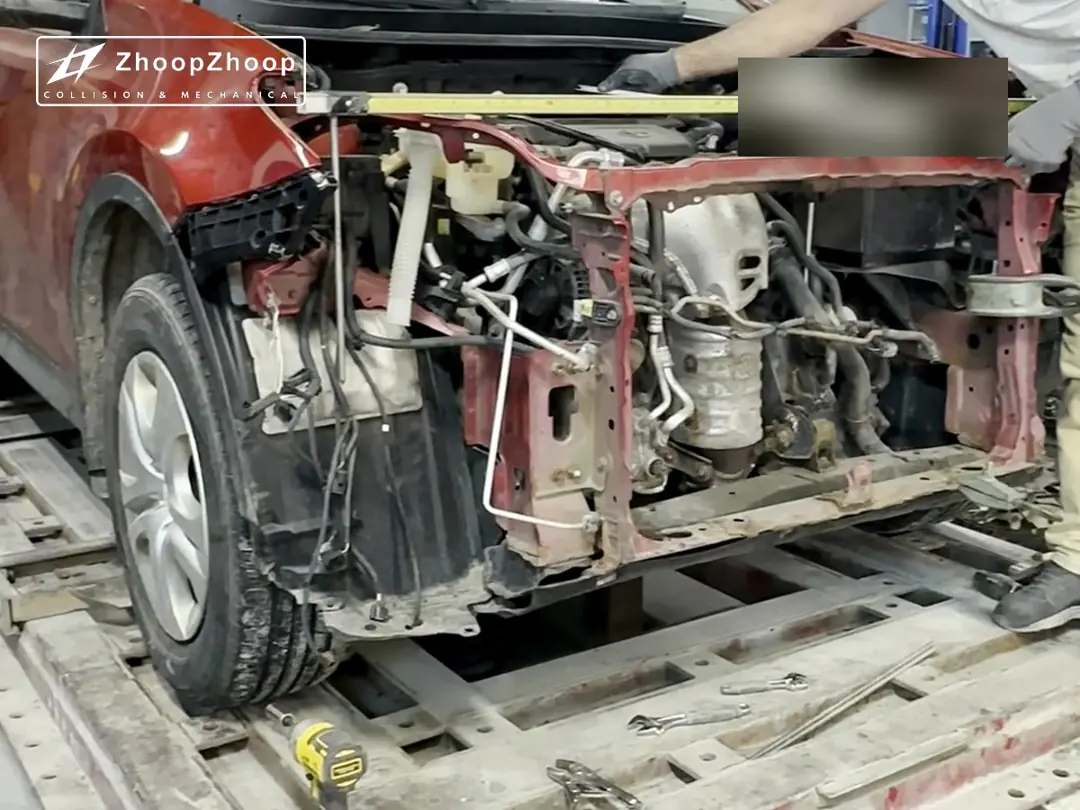
A lot of damage hides behind the bumper cover. We regularly see cars that look like they only took a small hit at the front, but once we take them apart there’s damage to the reinforcement bar, the radiator support, sensors or the frame rails. Driving a car like that home can make things worse, and it can affect your safety on the road.
Step 3: Do Not Let a Tow Truck You Didn’t Call Touch Your Car
This is the most important part of this guide.
Very often, a tow truck shows up at an accident scene within minutes, before anyone has called one. The driver may be friendly and helpful, and they may sound official. But if you didn’t call them, don’t let them touch your vehicle.
Here’s why. When an unauthorized tow company takes your car, they can hold you responsible for any charges your insurance company won’t pay. That can mean towing fees, storage fees and other costs your insurer never approved. Your car can also end up at a shop or storage yard you didn’t choose, and getting it back becomes your problem.
Ontario law is on your side here. Under the province’s towing rules, a tow operator needs your consent before towing your vehicle (unless the police or another authorized official direct the tow). You have the right to choose which company tows your car and where it goes. The one exception is the restricted tow zones on some GTA highways, where a designated company handles the tow.
Who to Call Instead
- CAA, if you’re a member.
- Your insurance company. Their claims line can arrange a tow they’ve approved.
- A body shop you know and trust. A good shop will arrange the tow for you and guide you through every next step.
Do not let anyone touch your vehicle unless you or one of these people authorized it.
Step 4: Do Not Sign Anything at the Scene
This is the mistake I see most often, and it’s the one that costs people the most.
A tow driver walks up with a clipboard and says something like, “Can you sign this? It just authorizes us to take your car to the collision centre,” or “to your insurance company,” or “to a body shop.” It sounds harmless, and you’re shaken up and want to get off the road.
But if you actually read the fine print, you’re often giving that company the right to tow your vehicle wherever they want. Then it’s on you to get your car out of there, and there could be a bill your insurance company hasn’t approved.
Tow companies are not authorized to make you sign anything. My advice is simple: at the scene of an accident, do not sign anything. If you’re ever in a situation where you’ve already agreed to a tow, Ontario’s rules say you should never sign a blank form, you’re entitled to a copy of what you consented to, and you have the right to see the tow company’s rates before service starts.
Step 5: Exchange Information and Take Photos Before Anything Moves
Before the cars are moved, if it’s safe, take pictures. Once vehicles are moved, the scene changes, and so can people’s stories.
What to Photograph
- Both vehicles from several angles, including close-ups of all the damage
- Where the vehicles are sitting on the road
- The other vehicle’s licence plate
- Street signs, intersections, traffic lights and road conditions
- Any debris or skid marks
What Information to Exchange
- Names, phone numbers and addresses of the other drivers
- Driver’s licence numbers
- Insurance company and policy numbers
- Vehicle make, model and plate number
- Names and phone numbers of any witnesses
Get It Clear While Everyone Is Still There
Depending on the situation, if the other driver hit you, it helps to have them acknowledge it at the scene, for example in front of a witness or in a quick video of the conversation. I’ve seen stories change completely once the cars are moved and people have had time to think. What someone admits at the scene is a lot harder to take back later.
Step 6: Report the Accident
In Ontario, you need to report a collision to police if anyone is injured, if the combined damage is more than $5,000, if public property is damaged, or if a criminal act like impaired driving is suspected. In Toronto and much of the GTA, that usually means going to a Collision Reporting Centre within 24 hours instead of waiting for police at the scene.
If your car can’t be driven, don’t worry about getting it to the reporting centre yourself. Call your body shop or insurer first and let them set up the tow. Then go to the reporting centre once that’s arranged. You’ll also need to notify your insurance company about the accident.
What Happens When You Call Us From the Scene
When a customer calls ZhoopZhoop from the side of the road, here’s what we do:
- We remind you not to sign anything. That’s always the first thing we say.
- We get your location. Then we arrange a tow company to come and pick up your car.
- We tell you what to do next. If you need to go to the Collision Reporting Centre, you can, but wait until we’ve set up the tow for you.
- We call your insurance company with you. When you get to our shop, we can make that call together and help open your claim.
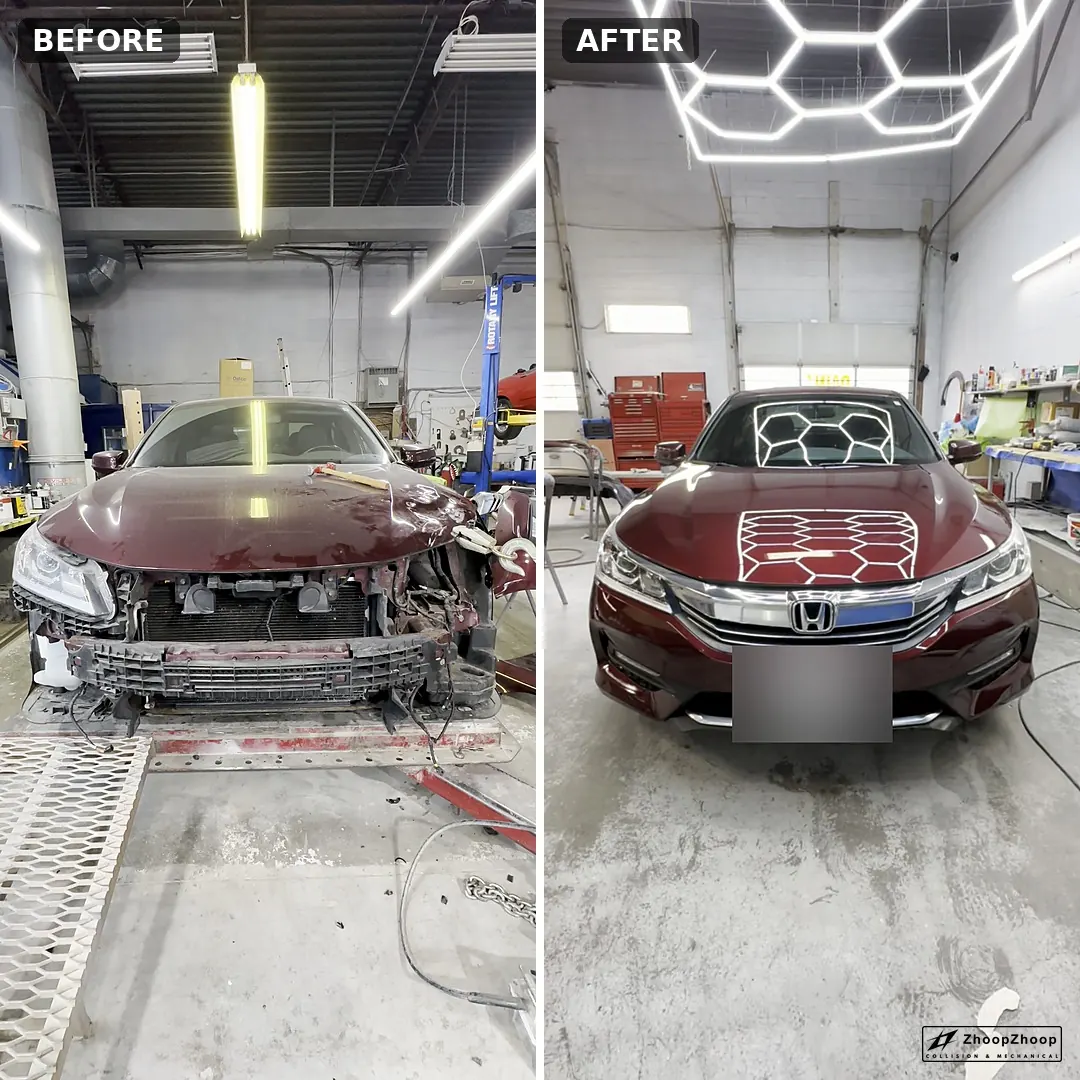
- We handle the repair from start to finish. That includes inspecting the damage, writing the estimate, repairing the car and getting you back on the road.
You don’t have to figure it all out on the side of the road. That’s our job.
You Have the Right to Choose Your Body Shop
Your insurance company may recommend a “preferred” or “approved” shop. A tow driver may tell you they’ll take your car to “a good shop they know.” You don’t have to go to either one.
In my experience, “preferred” or “approved” often just means paid. That shop has an arrangement with the insurer or the tow company, and that doesn’t always mean it’s the best choice for you or your car. You have the right to choose where your vehicle is repaired. Pick a shop you trust, one that will check for hidden damage and stand behind its work. We cover this in more detail in our guide on how to choose the right auto body shop after an accident.
At ZhoopZhoop, we’re an independent shop. That means we work for you, not for an insurer or a tow company. Our motto says it best: Your Vehicle. Your Choice.
Quick Checklist: What to Do Immediately After a Car Accident
- Make sure everyone is safe and call 911 if anyone is hurt
- Check your tires and look for leaks under the front of the car
- If anything looks wrong, don’t drive it. Move it to the side and call for help
- Don’t let a tow truck you didn’t call touch your car
- Call CAA, your insurance company or a body shop you trust
- Don’t sign anything at the scene
- Take photos of everything before the cars are moved
- Exchange information and get witness contact details
- Report to police or a Collision Reporting Centre when required
- Choose your own body shop
Been in an Accident? Call Us First
If you’ve just been in an accident anywhere in Thornhill, Richmond Hill, Markham, Vaughan or across the GTA, call ZhoopZhoop Collision & Mechanical at 905-886-2737 before you let anyone touch your car. We’ll arrange the tow, help you with your insurance company and guide you from the beginning to the end.
You can also send us photos of the damage for a free estimate on our accident photo estimate page, or visit us at 47 Guardsman Rd, Unit 2, Thornhill, ON.